
The 'Carolina Cluster': An Epidemiological Deep Dive into the Spartanburg Outbreak
Published on December 15, 2025
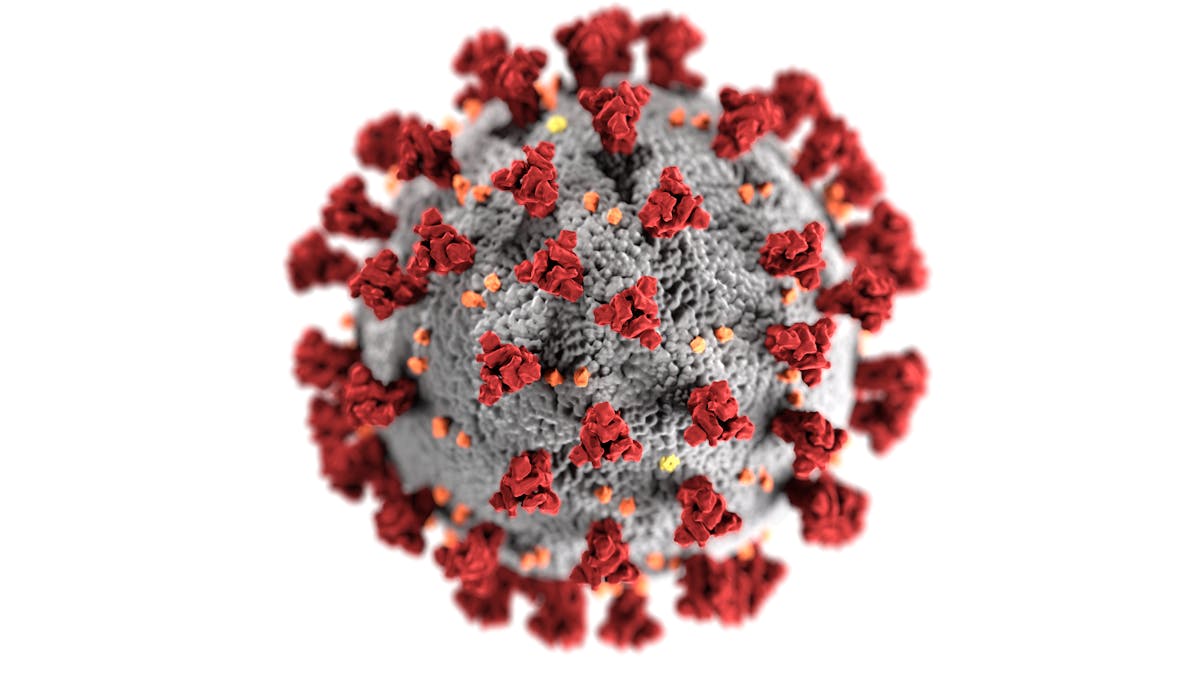
In the heart of South Carolina, the Spartanburg measles outbreak, dubbed the 'Carolina Cluster' by epidemiologists, has become a critical case study in the complexities of modern disease investigation. The cluster, which emerged in late 2025, has tested the limits of public health resources and highlighted the challenges of containing a highly contagious virus in a close-knit, and in some cases, vaccine-hesitant community.
From Patient Zero to Public Crisis
The investigation began with a single confirmed case in a local elementary school. Within weeks, the numbers grew exponentially, creating a complex web of transmission that baffled investigators. Epidemiologists from the South Carolina Department of Health and Environmental Control (DHEC), in collaboration with the CDC, have been working tirelessly to trace the outbreak's origins and map its spread.
Their investigation has involved a combination of traditional shoe-leather epidemiology and cutting-edge technology. Genomic sequencing has allowed scientists to trace the genetic fingerprint of the virus, confirming that the cluster originated from a single source and tracking its mutations as it spreads. At the same time, digital contact tracing, using anonymized location data from mobile devices, has helped identify potential exposure sites and alert individuals who may have been in close contact with an infected person.
A Race Against Time
Despite these advanced tools, the investigation has been hampered by a number of factors. The highly mobile nature of modern society, combined with pockets of deep-seated vaccine hesitancy, has made it difficult to break the chains of transmission. The 'Carolina Cluster' serves as a stark reminder that in the fight against infectious diseases, technology is only one part of the solution. Building trust, combating misinformation, and ensuring equitable access to vaccines are equally, if not more, important.
The Public Health Response: A Coordinated Effort
The public health response to the 'Carolina Cluster' has been a massive undertaking, involving a coordinated effort from local, state, and federal agencies. The DHEC has been at the forefront of this response, setting up a dedicated incident command center to manage the crisis. This has involved deploying teams of epidemiologists, nurses, and other public health professionals to the affected communities. The CDC has also provided critical support, offering technical assistance, laboratory services, and additional personnel.
The Economic Impact: The Cost of Containment
The economic impact of the 'Carolina Cluster' has been significant. The cost of the public health response alone has run into the millions of dollars, including the cost of personnel, laboratory testing, and other resources. The outbreak has also had a major impact on the local economy, with school closures, event cancellations, and a decline in tourism. The crisis has highlighted the need for greater investment in public health infrastructure to prevent the kind of widespread economic disruption that we have seen in Spartanburg.
The Policy Implications: A New Era of Public Health Surveillance
The 'Carolina Cluster' has prompted a conversation about the need for a new era of public health surveillance. The outbreak has highlighted the limitations of our current systems and the need for more advanced tools and technologies to track and contain infectious diseases. This includes greater investment in genomic sequencing, digital contact tracing, and other cutting-edge technologies. The crisis has also highlighted the need for stronger policies to promote vaccination and to combat the spread of misinformation. The lessons learned from the 'Carolina Cluster' will likely shape public health policy for years to come.