
The Global Context: Why the U.S. Measles Outbreak Is a Wake-Up Call for the World
Published on December 15, 2025
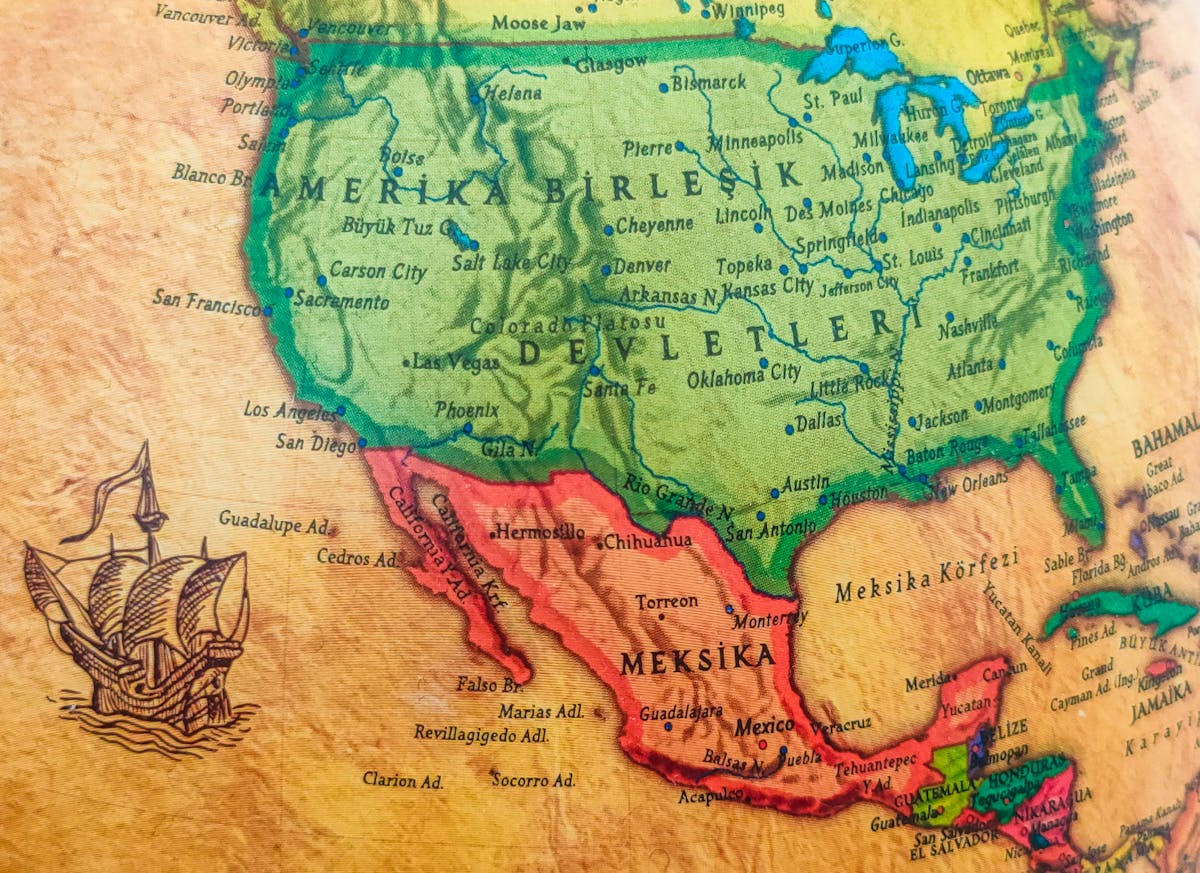
The 2025 measles resurgence in the United States is more than just a domestic crisis; it is a canary in the coal mine for global public health. In an interconnected world, the erosion of vaccination coverage in one of the world's wealthiest nations sends a dangerous signal and has far-reaching implications for the global fight against preventable diseases. The American outbreak is a stark reminder that viruses know no borders, and a crisis in one country can quickly become a threat to all.
A Reflection of a Global Trend
The factors driving the U.S. outbreak—vaccine hesitancy, misinformation, and a decline in trust in public health—are not unique to America. The World Health Organization (WHO) has identified vaccine hesitancy as one of the top ten threats to global health. From Europe to Asia, countries are grappling with similar challenges, as anti-vaccine movements, often fueled by social media, gain traction. The American experience demonstrates that even countries with strong healthcare systems and a long history of successful vaccination programs are not immune to this trend.
The consequences of this global trend are devastating. The WHO estimates that measles vaccination has prevented over 23 million deaths worldwide since 2000. However, progress has stalled in recent years, and large, disruptive outbreaks are occurring with increasing frequency. The 2025 U.S. outbreak is a high-profile example of a global phenomenon that is putting millions of lives at risk.
The Impact on Global Travel and Health Security
The U.S. outbreak also has significant implications for global travel and health security. As a major international travel hub, the United States can both import and export the virus. The current outbreaks have been linked to international travel, and there is a real risk that the U.S. could become a source of measles transmission to other countries, particularly those with weaker healthcare systems and lower vaccination rates.
This has led to calls for increased vigilance at borders and for travelers to ensure they are vaccinated before embarking on international trips. The U.S. outbreak is a reminder that in a globalized world, a breakdown in public health in one country can have a ripple effect across the globe. It underscores the importance of international cooperation and a shared commitment to maintaining high levels of vaccination coverage everywhere.
A Wake-Up Call for the World
Ultimately, the 2025 U.S. measles outbreak is a wake-up call for the entire world. It is a powerful demonstration of the fragility of our public health achievements and the urgent need to reinvest in vaccination programs, combat misinformation, and rebuild trust in science. The fight against measles is a global one, and it will require a coordinated and sustained effort from all countries.
The lessons learned from the American experience—both the failures and the successes—can help to inform the global response. By sharing data, best practices, and communication strategies, the international community can work together to ensure that measles is once again relegated to the history books, not just in the United States, but around the world.